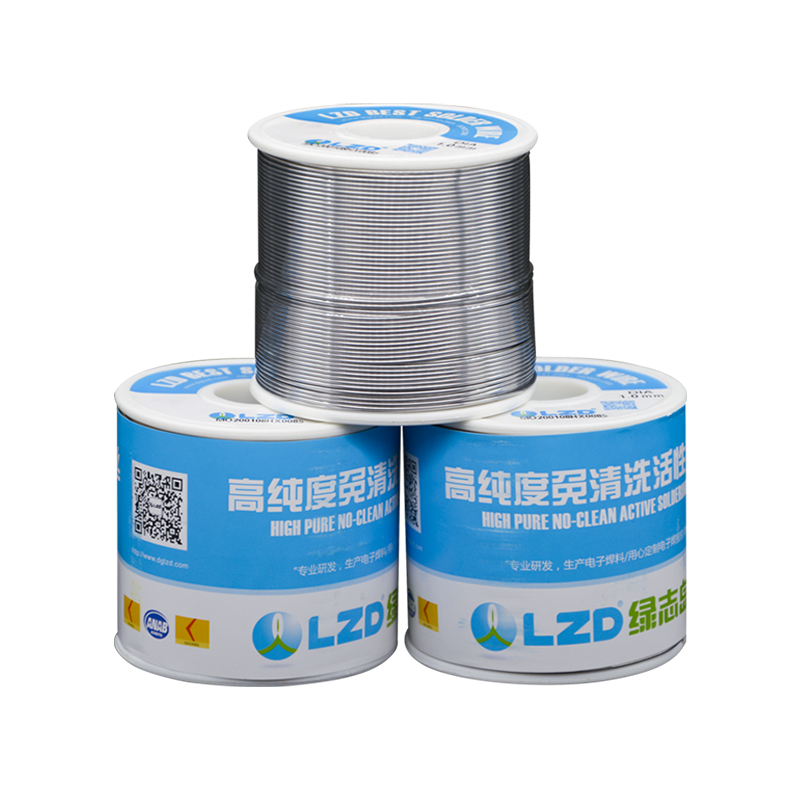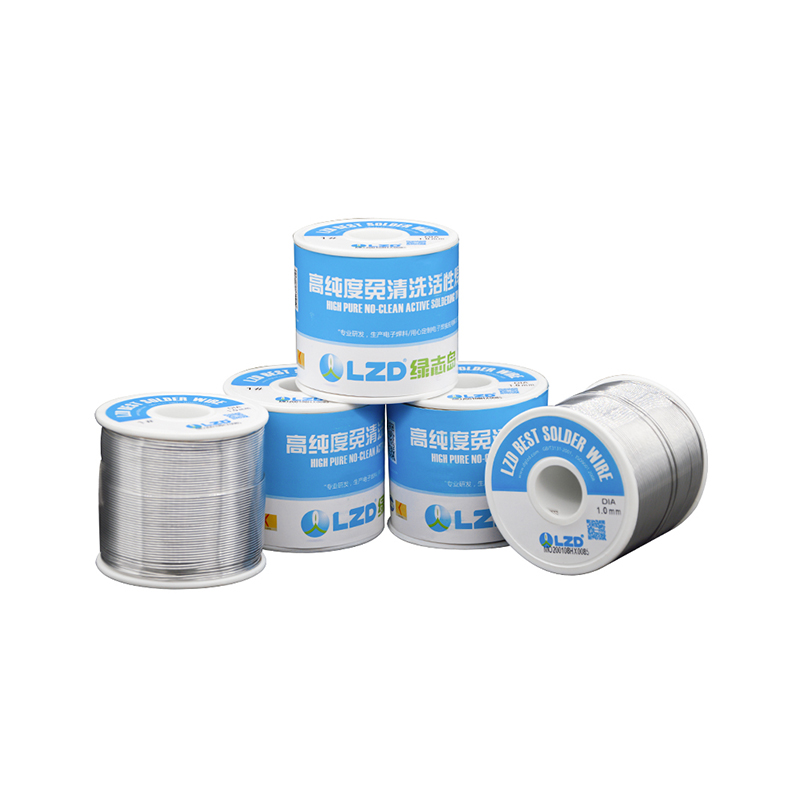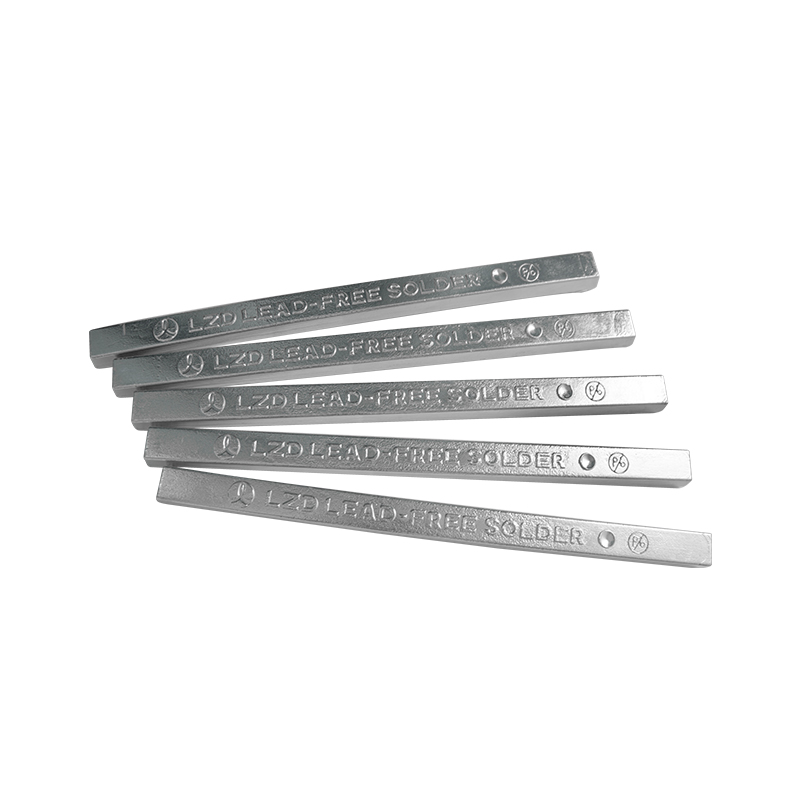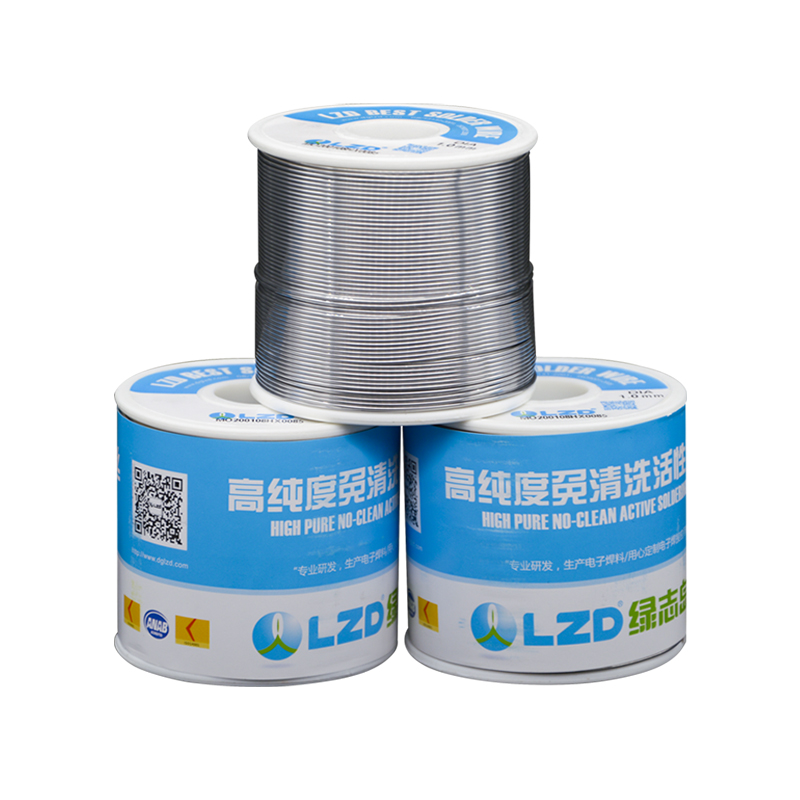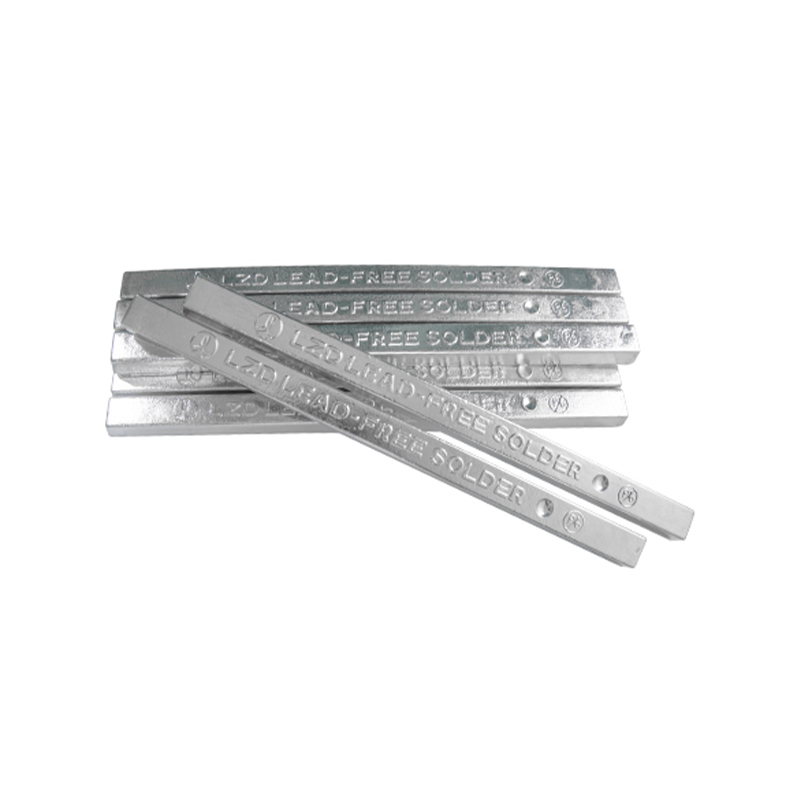

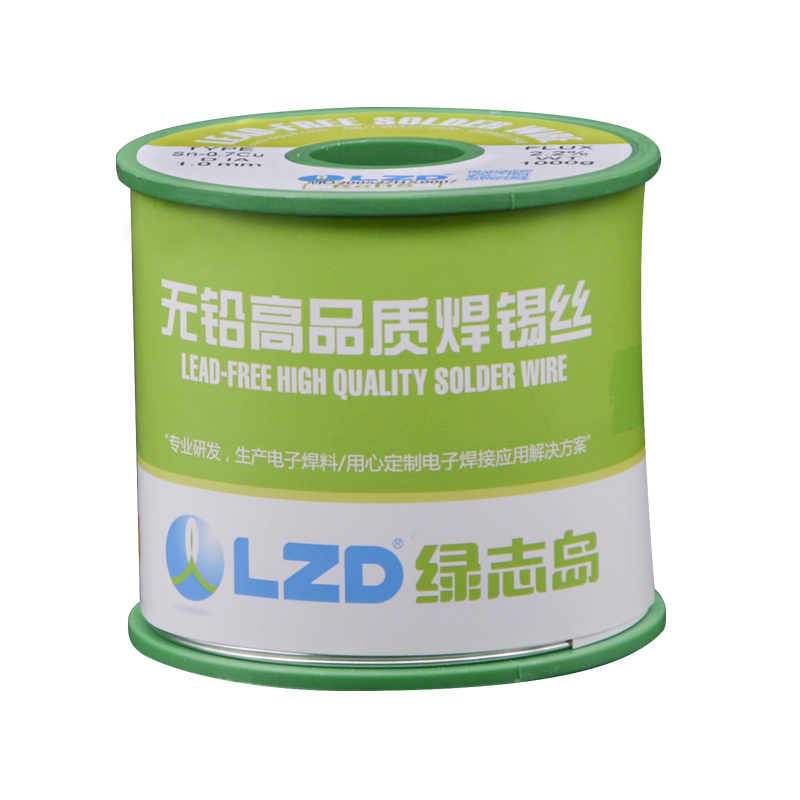
In the fields of electronics manufacturing, precision soldering, and repair, solder bars, as a fundamental yet crucial connection material, directly impact soldering quality and equipment reliability.
In the field of electronics manufacturing and repair, solder joints are not only the bridge for circuit conduction but also crucial mechanical anchors between components and printed circuit boards.
After welding, flux residue may corrode the solder joint or affect conductivity.
The wettability of solder wire is a core physicochemical phenomenon that enables a strong connection during the soldering process. Essentially, it is the ability of molten solder to expand on the surface of the base material and form an atomic-level bond.
In this context, the ability of solder paste to adapt to different reflow soldering temperature profiles directly determines its compatibility with the production line and the flexibility of process debugging.
Environmentally friendly tin strips have emerged to address this need—based on lead-free alloys such as tin, silver, and copper, through optimized material formulations and process innovations, they completely eliminate lead without sacrificing soldering