
Ensuring wire feed stability and process consistency in automated welding equipment requires synergistic optimization from multiple aspects, including material quality, equipment structure, process parameters, and intelligent control.
During high-temperature or prolonged soldering, maintaining stable fluidity and oxidation resistance of solder wire requires alloy composition optimization, flux application, process control, and proper operation and environmental management.
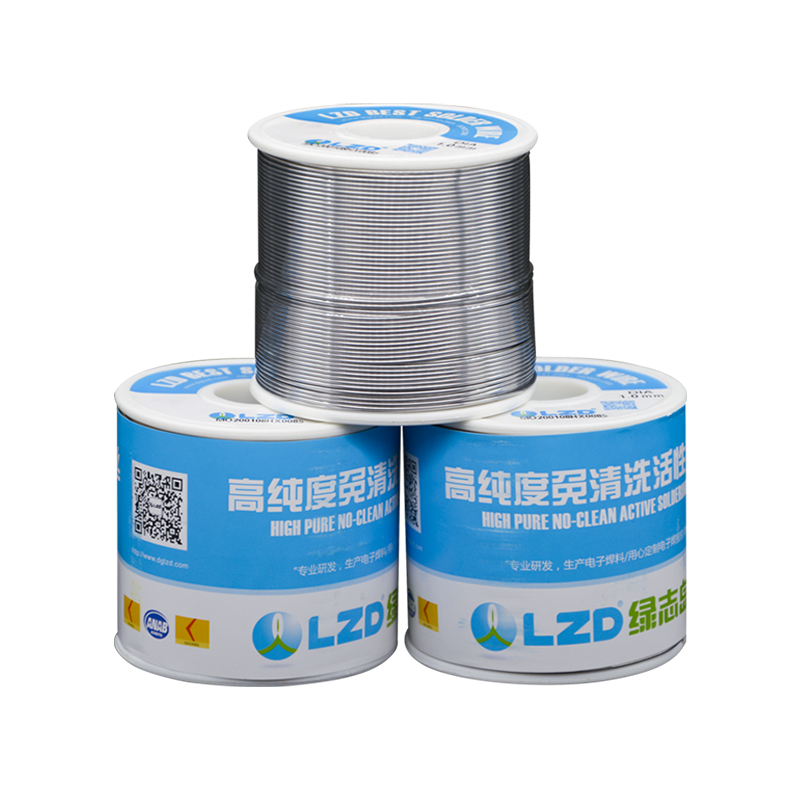
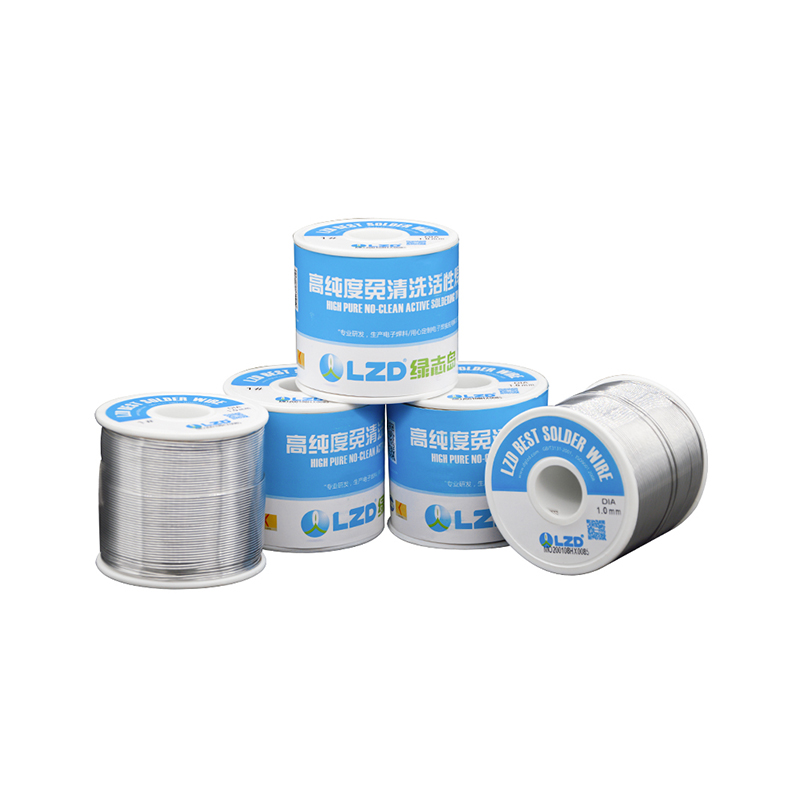
In the field of electronics manufacturing and repair, solder wire, as a crucial material for achieving electrical connections, directly impacts soldering quality and product reliability.
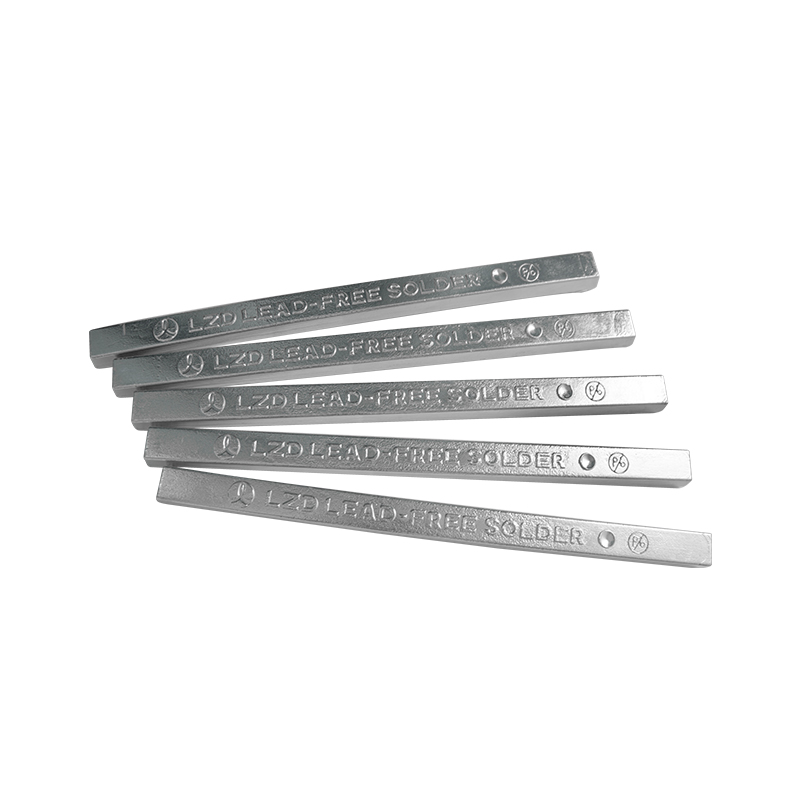
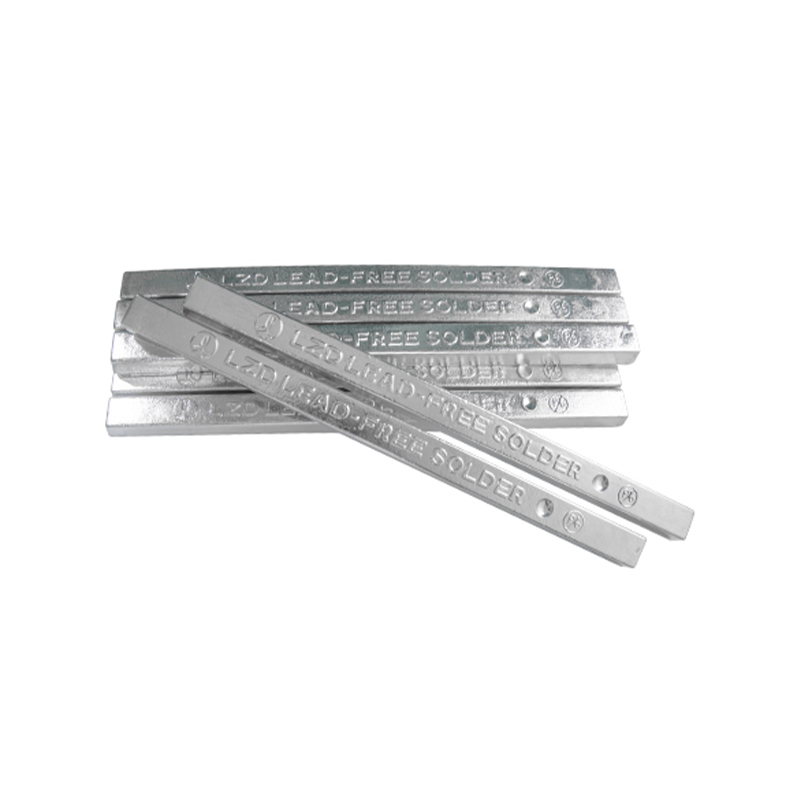
By optimizing soldering parameters, such as lowering the soldering iron temperature and shortening the heating time, excessive evaporation of solder bars can be reduced.
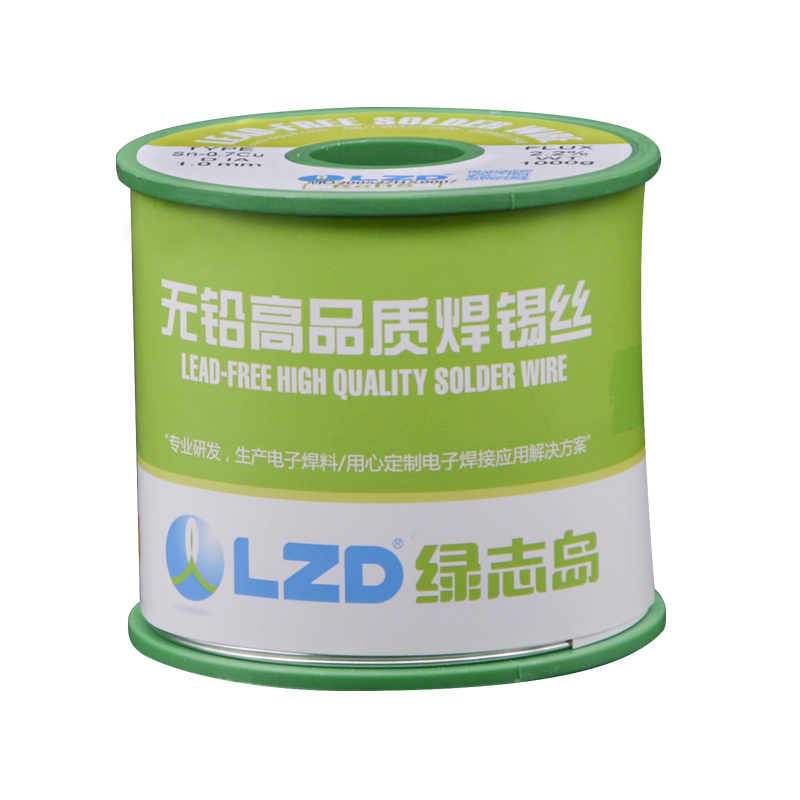
Traditional solder wire is mainly made of tin-lead alloy, but the toxicity of lead has led to lead-free solder wire gradually becoming the mainstream.
In fields such as electronics manufacturing, precision instruments, and new energy equipment, the performance of solder materials directly determines the soldering quality and product reliability. With the advancement of lead-free trends and the widesprea