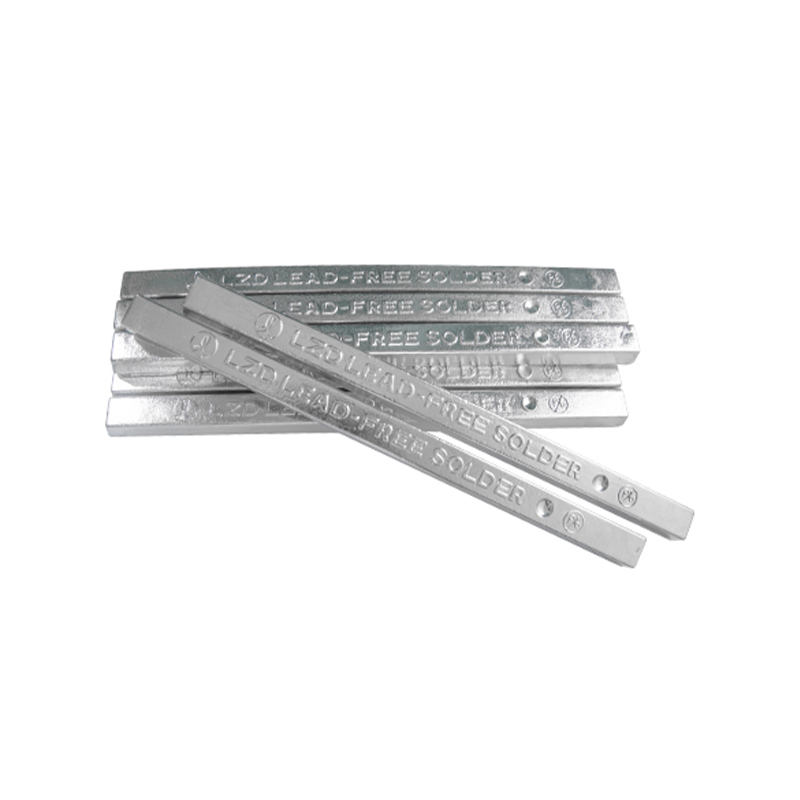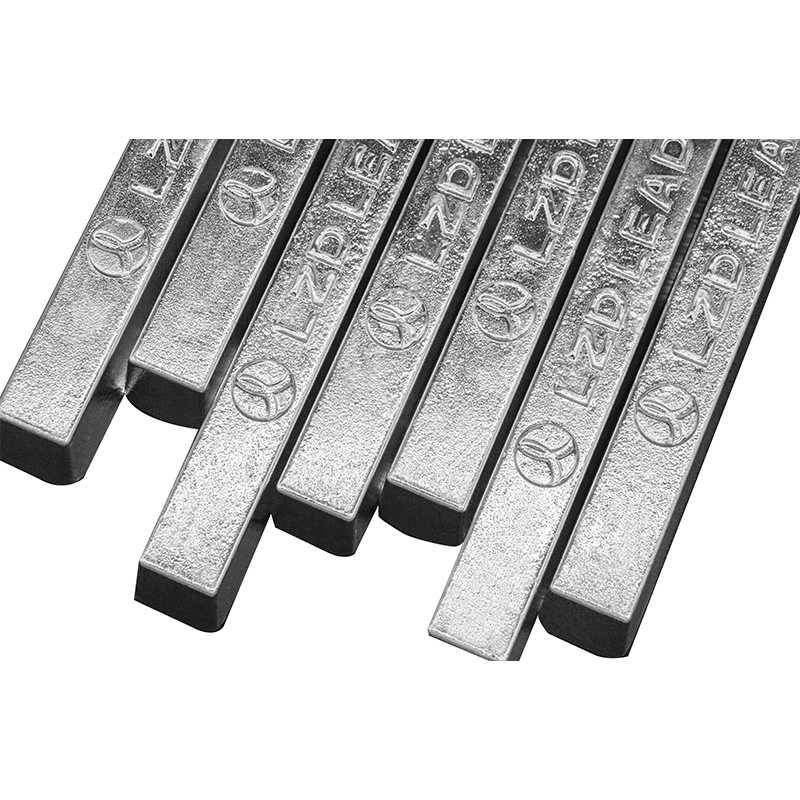

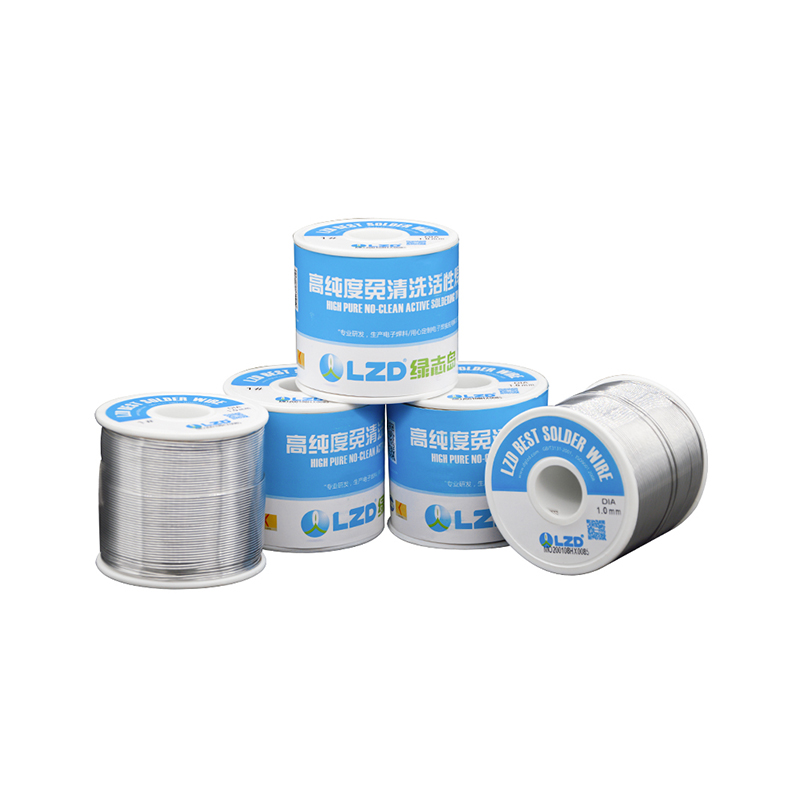
Among numerous soldering materials, solder strips are the preferred choice for high-frequency electronic soldering due to their excellent alloy properties, stable process performance, and adaptability to automated equipment.
The low-temperature, fast wetting properties of solder strips are the result of a combination of low-melting-point alloy design, efficient flux technology, excellent flow properties, and precise process control.
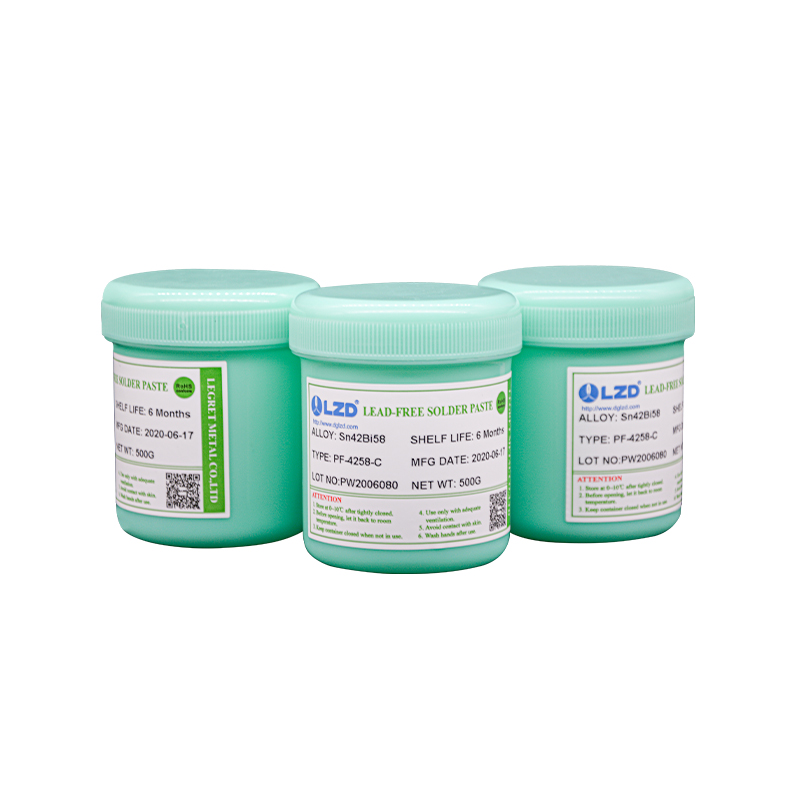
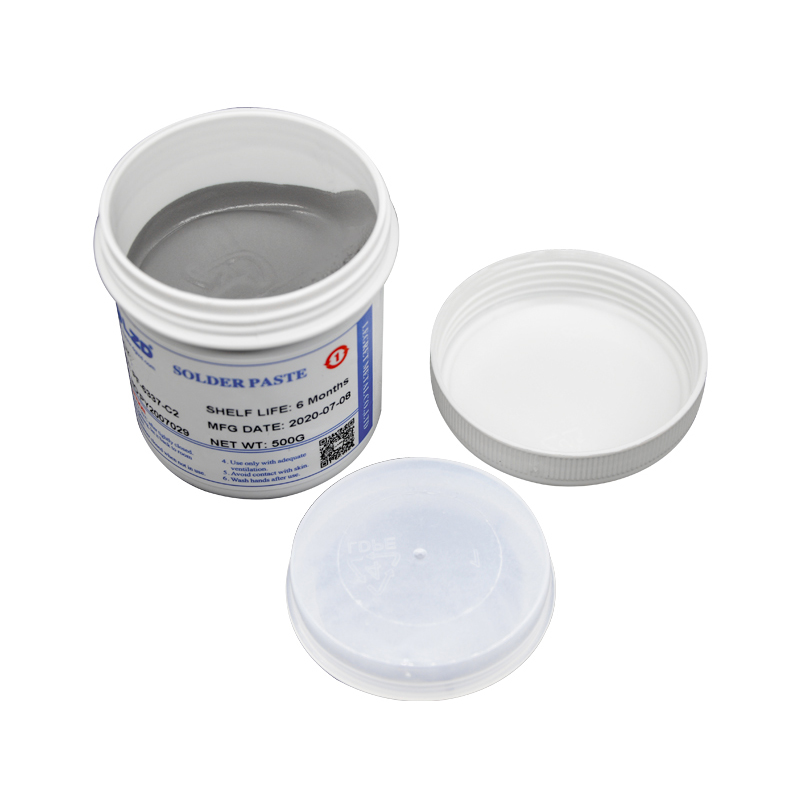
The metal content of solder paste profoundly influences its mechanical strength and electrical conductivity by regulating the density, defect rate, and microstructure of the solder joint.
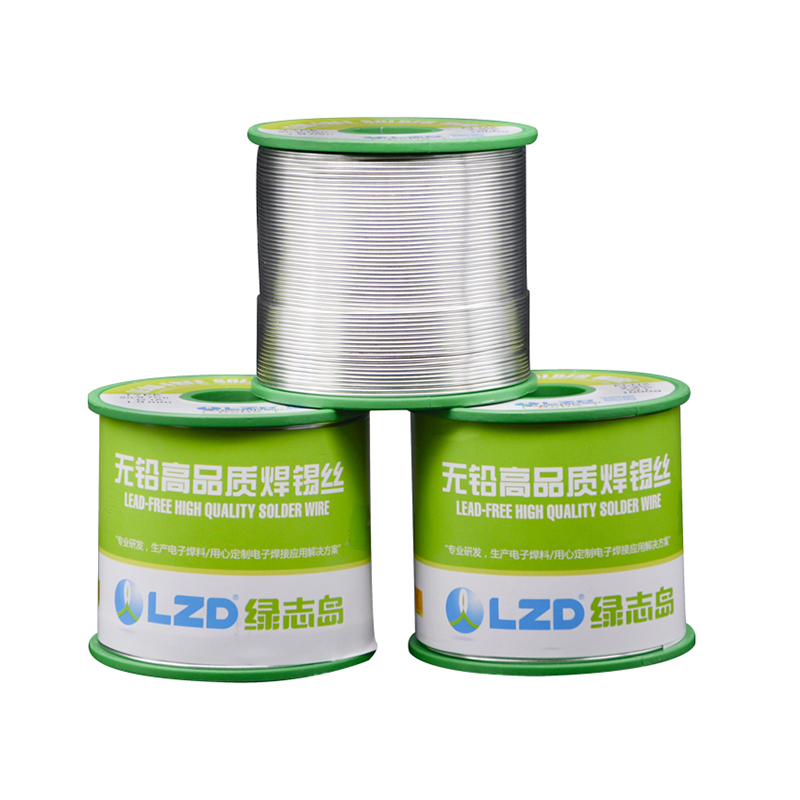
Though small, solder wire serves as a bridge connecting the microstructures of the electronic world. In precision circuit soldering, solder wire, through reduced diameter, core optimization, material innovation.
As an emerging soldering material, environmentally friendly tin strips, with their excellent performance and environmentally friendly properties, show broad application prospects in this demanding field.
In modern electronic manufacturing and industrial welding processes, solder strips are important materials for connecting electronic components and circuit boards, and their performance stability directly affects the welding quality.